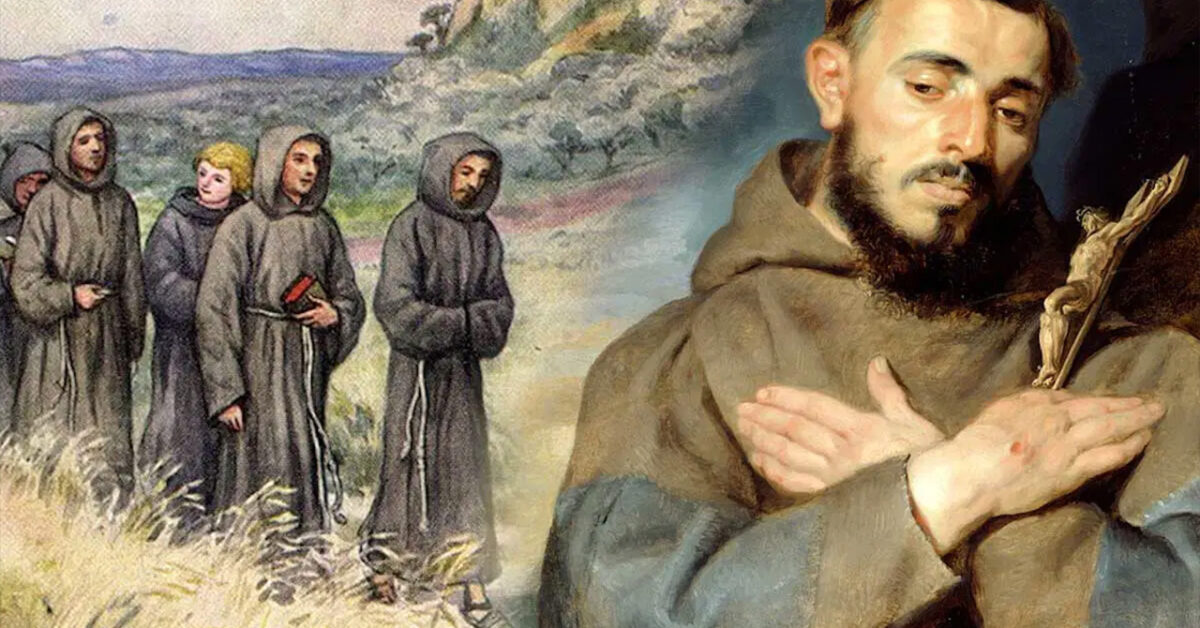
St. Francis of Assisi is often known for his closeness to nature and animals, and associated with a sense of peace and calm. He may be found as a small statue in many gardens.
What many may not know about St. Francis is that he was once a soldier, who, after fighting in battle, experienced something closely familiar to veterans: Post Traumatic Stress Disorder (PTSD). One can only imagine his mental and emotional state after experiencing violence, being held captive for a year in inhumane conditions, and later living with the effects of these traumatizing events. His biographers record his bouts of flashbacks, night terrors, and the like even after he established his religious order.
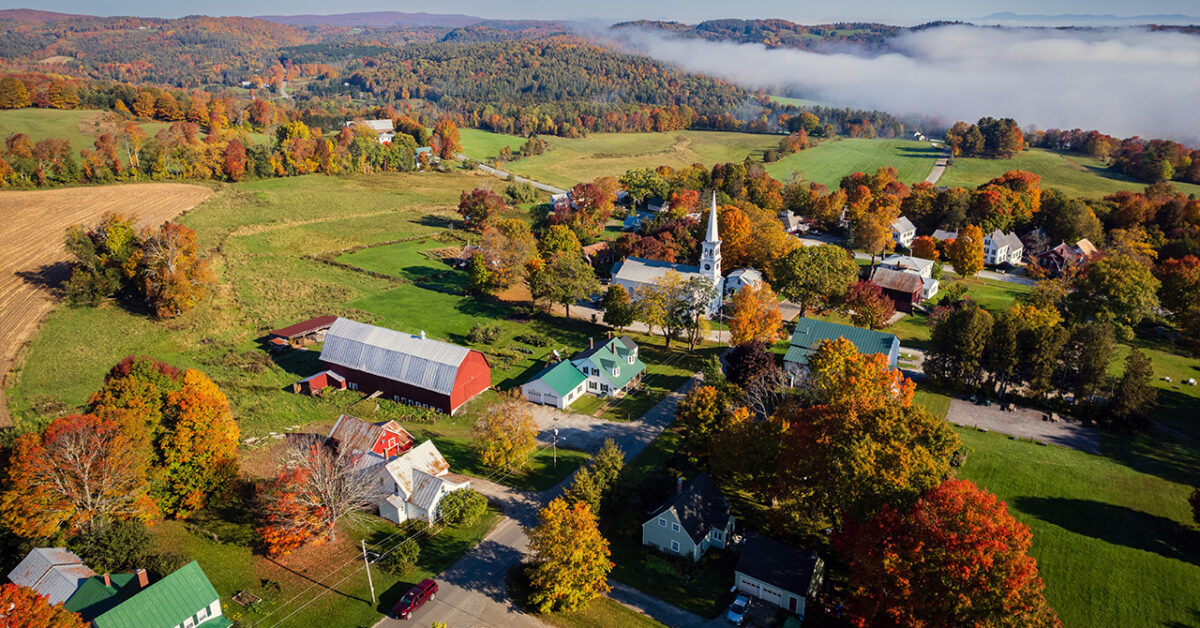
Father Conrad Targonski, OFM, chaplain at Viterbo University, finds closeness with the founder of his Order in this manner. Born “in the suburb next to Pope Leo’s suburb”, Father Targonski lived a simple life prior to his entrance to the Franciscans. His father was a steel worker, his mother stayed at home. Father Targonski’s first exposure to rural living was through Polish immigrant relatives in Superior, Wisconsin, who had a farm.
“I was just a toddler,” he recalls, “and we took a trip up to Superior once, and for some reason that was embedded in my mind.”
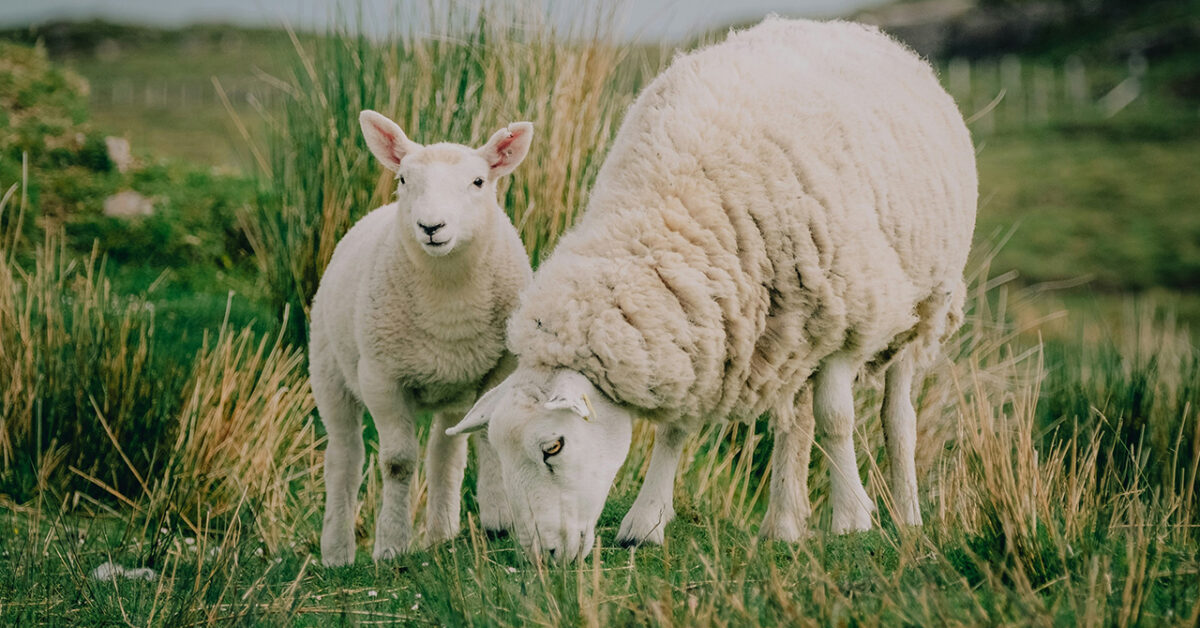
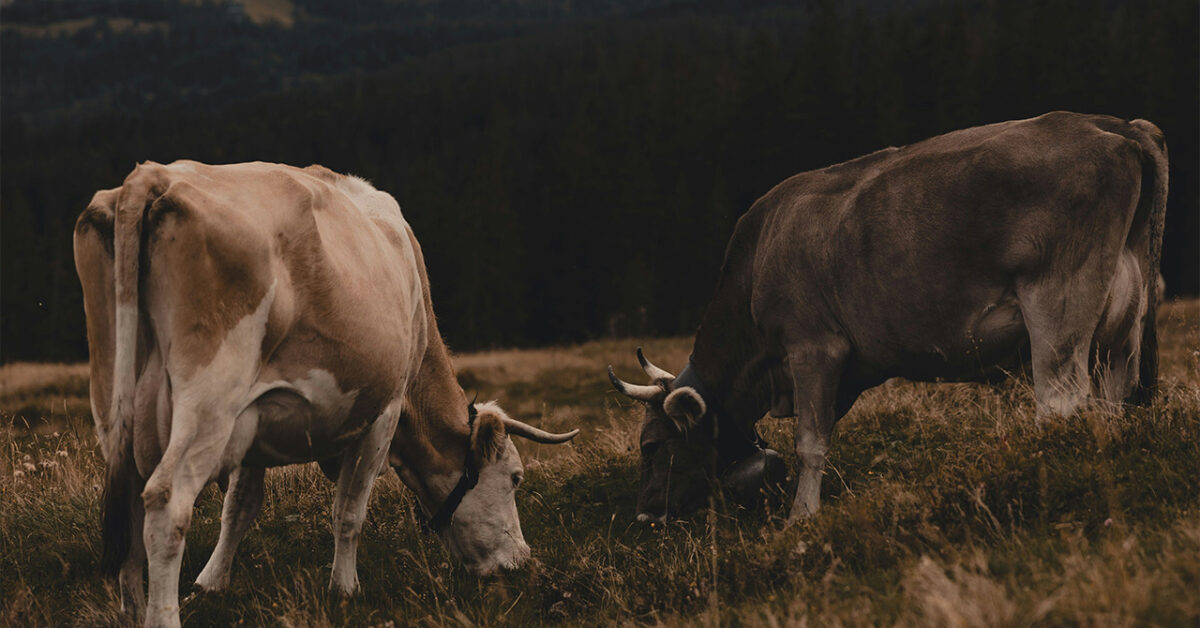
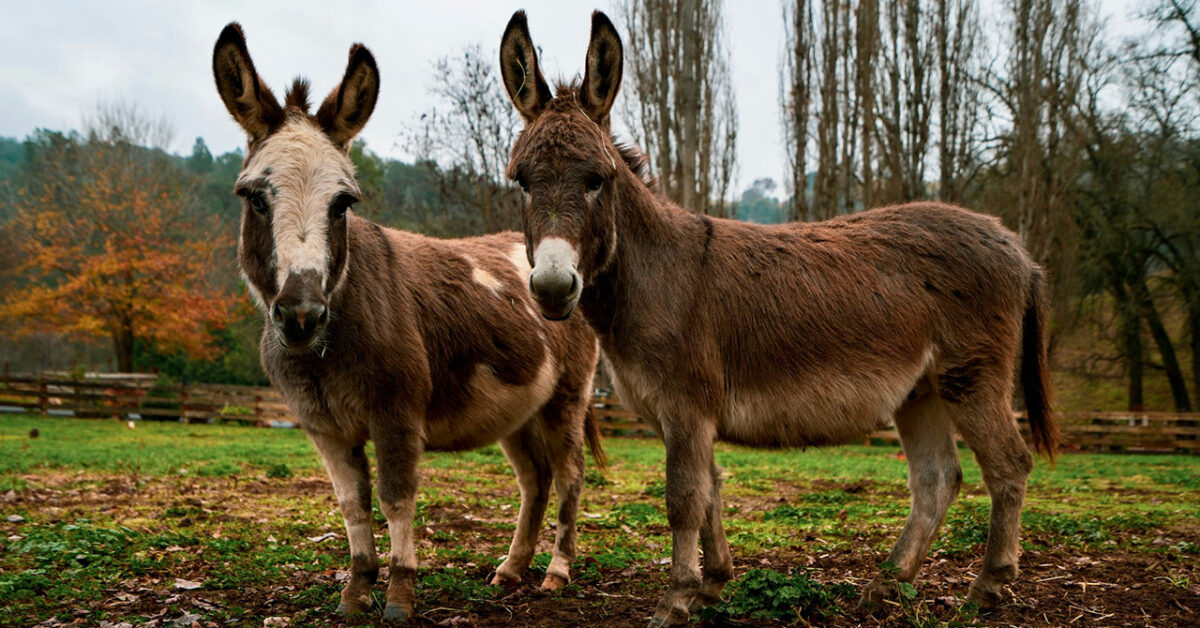
Years later, he joined the Order of Friars Minor, and found that the brothers had farms connected to their schools, as part of his field experience. “There was something about the land and being Franciscans…it was just natural,” he says. “I had a special love that grew for the farms, for the outdoors.”
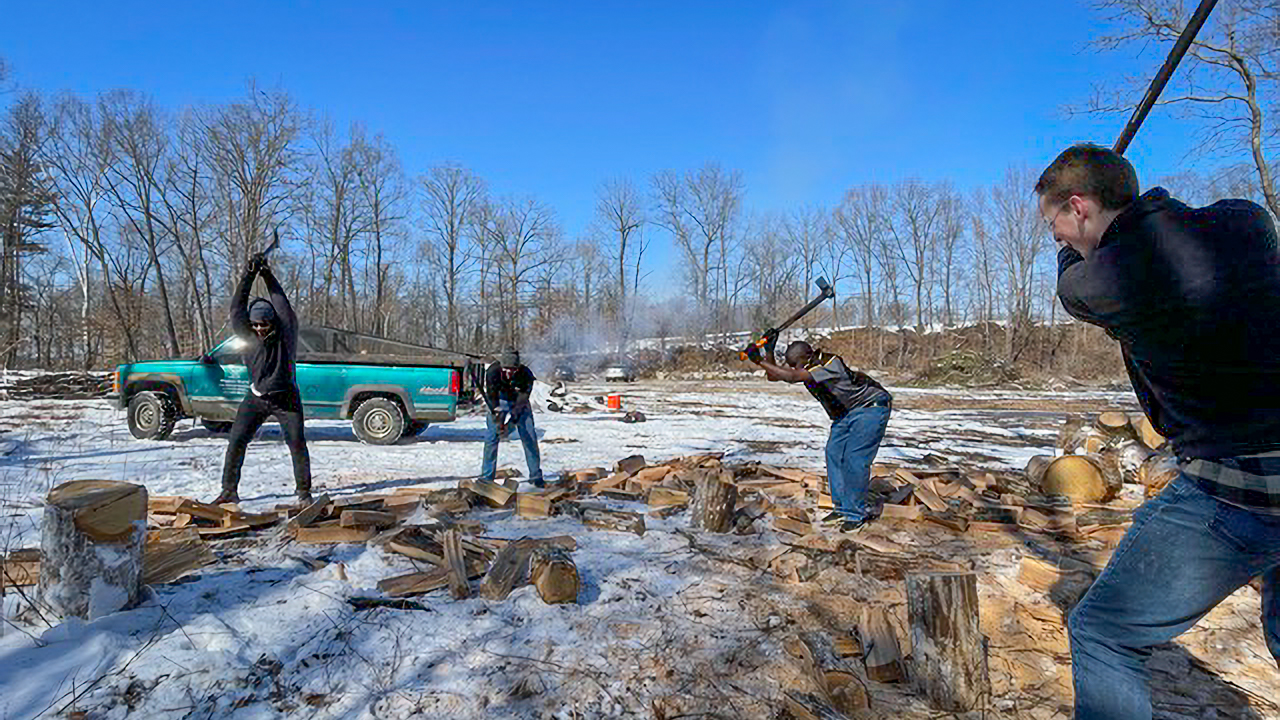
Moved by this love, he offered to work on one of the farms during the weekends.
Then, in what some would see as unexpected, he joined the Navy 12 years after his ordination, and was a chaplain for 22 years. Most notably, he was the Supervisory Chaplain for the 2004 Battle of Fallujah in Iraq. Father Targonski says that while not many are familiar with this particular battle, it was “tantamount to Gettysburg.”
“I think I came back, like everybody else, with post-traumatic stress, which is natural,” he reflects. “But I wanted to do something with it differently.”
He began to look to the example of St. Francis, who turned to the open fields after his return from captivity. Father notes that out of Francis’ experience in the fields came the famous “Canticle of the Sun”, which is a song of praise to the Lord through the many things of creation.
“I went on pilgrimage to Assisi,” he recalls, “but then it all dawned on me: if I’m getting this therapy from the open fields, I think it can be shared with veterans.”
He began leading pilgrimages to Assisi and its countryside for veterans. The transformation in these veterans, Father Targonski finds, is significant. “Not one regretted going,” he says, “And many of them are not Catholic. Many of them have no religious preference. And they’re very skeptical when they first sign up.”
The pilgrimages are very intentionally structured. The pilgrims are taken first to Rome; they experience the bustle of life in the Eternal City, and visit the classic sites: the Colosseum, the Circus Maximus, the Vatican, and so forth.
“But then only after about two days, we get into a bus and go into Umbria,” he says. “It’s the Rieti Valley where Francis experienced healing.”
Father recounts how St. Francis “had a lot of war wounds.” The founder of his Order would often go to the Rieti Valley, even after he began his movement, to a place in the mountains. There, among the olive trees, was where “Francis felt forgiven of his war wounds.”
“People he wounded in action…we don’t know, he could have killed people,” he says.
Next, the pilgrims travel to Assisi, the hometown of the saint. They trace the footsteps of Francis, all the way to the place where he went into prayerful solitude. St. Clare of Assisi, his close friend, is also a source of inspiration.
“Clare is one of the conduits of Franciscan spirituality for these veterans, a lot of women veterans,” Father Targonski explains.
He also recognizes the isolation that people who are struggling feel, but encourages them to take after Francis’ example of prayerful solitude. “He learned the solitude, and Clare shows it by her beauty and her song.”
When Father receives the pilgrims’ evaluations, he discovers that being out in the fields, and being in direct contact with nature is what brings significant peace to these veterans. He reiterates that many of these pilgrims come from a variety of religious backgrounds. And yet, they come away with a sense of peace, refreshment, which he recognizes as “seeing the face of God.”
“What did Francis do?” he says. “He sat before that cross in San Damiano, and [the Lord] says ‘repair my Church’…it was basically His own Body.”
When Francis experienced his conversion and began his movement which was eventually approved by the Pope to be a religious order, Father Targonski notes that many of the followers he attracted initially were his fellow soldiers from his time in battle. Carrying similar trauma, they saw the new way of life their friend was leading, and desired the same transformation. Experiencing the mental, emotional, and spiritual poverty that war inflicted upon them, they decided not to run away but to embrace it in what Francis lovingly called “Lady Poverty.” Stripped of material possessions, relying on others’ generosity, serving the materially poor, and staying close to the simplicity of the earth began a radical movement of reform in the Church–which, at the time, was corrupted with greed.
The Franciscans recognized that the truest form of poverty lies not in the lack of finances and material possessions, but in the heart and soul unable to receive God and His grace. Therefore, it was important to them to renounce any possessions that would hinder this receptivity…hence, vowing the evangelical counsels of Poverty, Chastity, and Obedience. Naturally, living without many means led to a closeness with the earth. Nature becomes a way in which one encounters the direct provision of God.
And without manufactured, material possessions to rely upon, one can more easily access the Lord, and receive the real treasure: His grace in our needs.