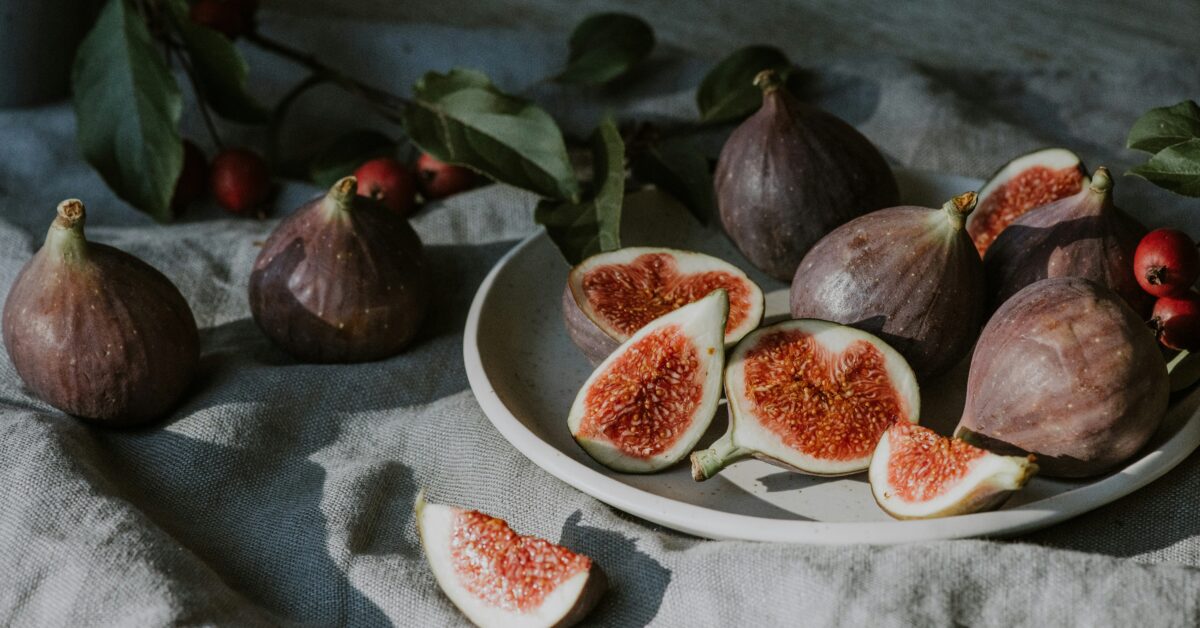
Fig trees have been grown and cultivated for their fruit for thousands of years. According to California Grown, they bear fruit for a majority of the year in warm climates. In fact, 98% of the figs in the United States come from California. Another interesting feature about figs is that they are harvested twice a year (Foodwise.org).
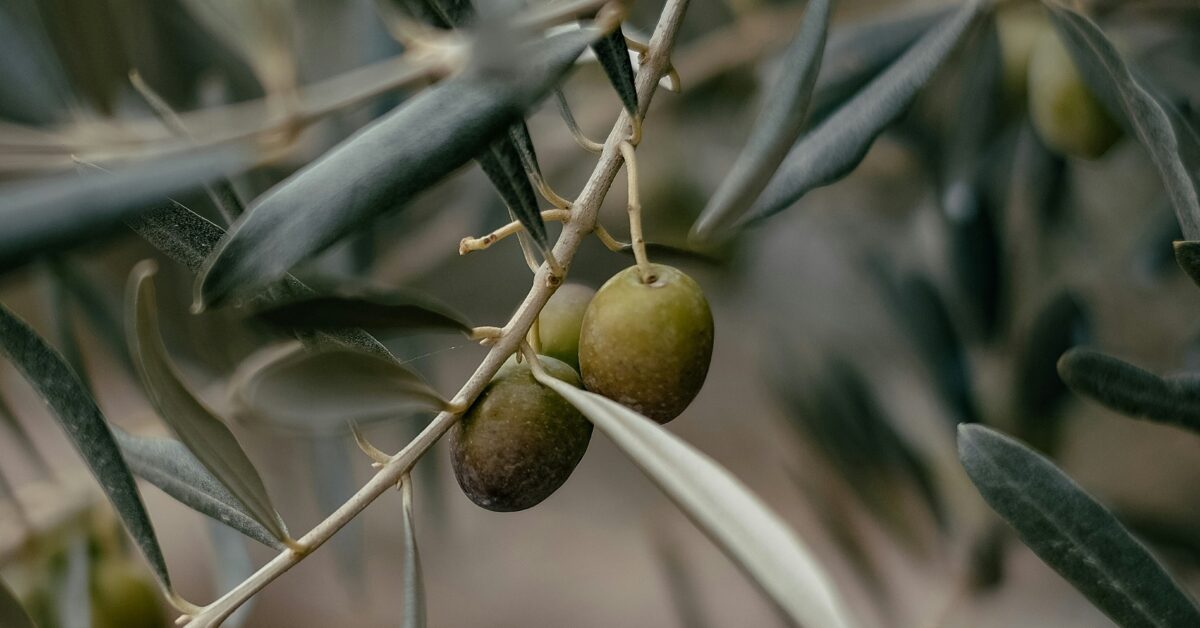
Going back to its history, the cultivation of such a fruit is even more fascinating. Even before olives and grapes, figs were already being domesticated. They were very easy to grow and propagate, as a single stem planted into the soil could grow into a tree (Armstrong Institute of Biblical Archaelogy).
In the Scriptures and tradition, the fig tree holds deeper meaning than meets the eye. The first time these fruits are mentioned is in the Book of Genesis, after the fall of mankind. It is written that Adam and Eve sewed fig leaves as clothes after they sinned (Genesis 3:7). There is also some speculation that the forbidden fruit of the Tree of Knowledge were figs.
The prophet Micah also describes the age of the coming of the Messiah, stating, “They shall all sit under their own vines, under their own fig trees, undisturbed” (Micah 4:4). In the Song of Songs, the fig tree blossoming is mentioned in the dialogue between the husband and wife, who are professing their love to each other.
The story of Jesus cursing the fig tree in the Gospels of Mark and Matthew perhaps is the clearest mention of the fruit in the New Testament. It takes place after His triumphant entry into Jerusalem, the week of His Passion and Death. While on the road with His disciples, Jesus comes upon a fig tree and tries to see if there is fruit to eat. When He sees that there are none but leaves, He curses it to never bear fruit again. This is bewildering for the disciples to witness as the tree withers before their eyes. It is even more confusing as it is not the season for bearing fruit.
On one hand, a fruitful fig tree symbolizes God’s blessing and abundance. When there is nothing but leaves mentioned, sin and God’s judgment are at play. The cursing of the tree happens after Jesus drives out the merchants out of the Temple in the Gospel of Matthew, and as “bookends” of this chaotic event in the Gospel of Mark.
According to the St. Paul Center of Biblical Theology, situating the fig tree and cleansing of the Temple–the center of the Jewish’s people’s faith and identity–next to each other tells us of God’s judgment on Israel. They have excluded the Gentiles from God’s house in charging them exorbitant amounts of money to simply worship, and ultimately rejected the Word Incarnate Himself. They are not bearing the fruit of faith.
The fig tree reminds us that we have a choice: to receive the gift of faith and strive to obey God’s word, or to reject it. It is the natural purpose of this tree to bear fruit; and so it is for us in our human nature, made in the image and likeness of God to receive His grace and give Him glory through our obedience. Let us pray for the grace to know His will, and do it. We may not be perfect in doing what is right, but as long as we continue to persevere in His grace, we can trust in His mercy.