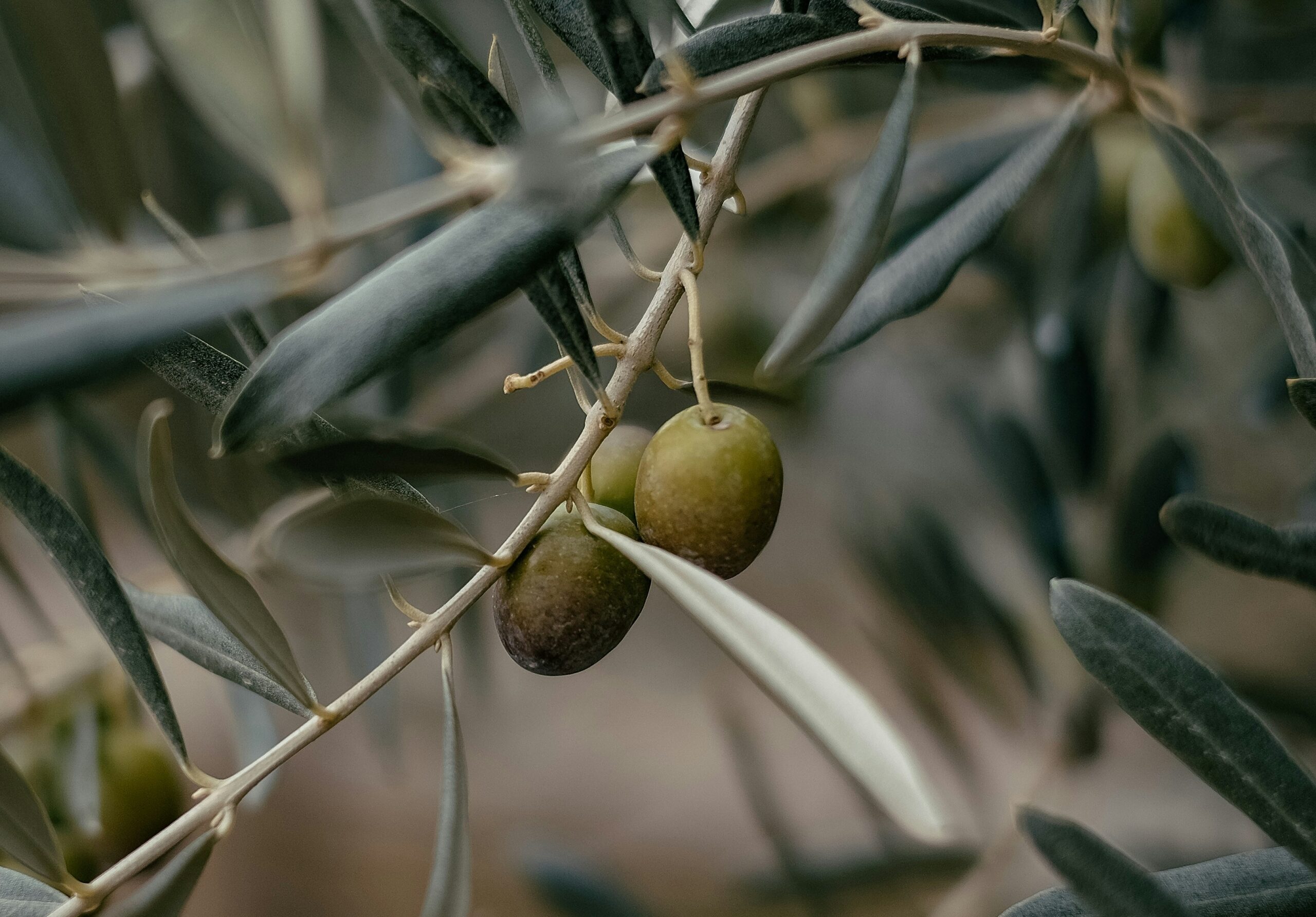
In many cultures in the ancient world, olives were considered highly valuable. They could be plucked from the tree and eaten, and they could also be pressed for oil. Originating in the Mediterranean, they were eventually brought to the Americas in the 1700s. According to the Agricultural Marketing Resource Center, California produces more than 95% of the olives in the United States. Today, they are primarily used for oil, which is often added to recipes. According to FoodPrint.org, it has plenty of health benefits such as being high in antioxidants and lowering the risk of cardiovascular disease when used to replace butter.
Olives are mentioned numerous times in both the Old and New Testaments, and are often associated with health and God’s blessing and consecration (North American Olive Association). After the devastating flood, Noah sends out a dove to check for dry land, and the olive branch it brings back is a sign that the waters have receded. Not only could olive oil be used for food, but it had an important role in religious rites. When someone or something was anointed with oil, it meant that God had set the person or thing apart for Himself and His purpose. It was a sign of sacredness.
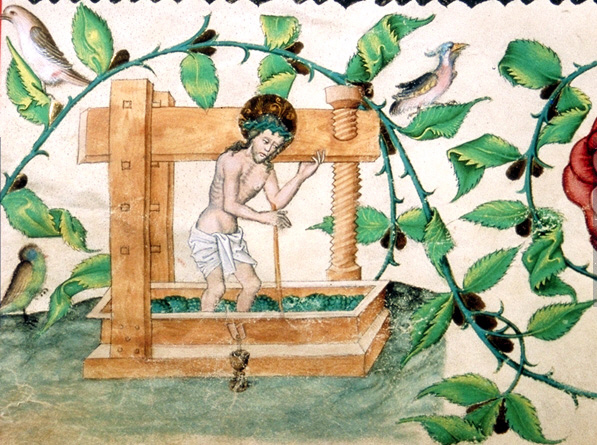
In the Gospels, Jesus enters the Garden of Gethsemane–the Mount of Olives–on the night before His Passion and Death. He is racked with fear and anxiety over the suffering that awaits Him, so much so that His sweat became like drops of blood (Luke 22:44). It is fitting that he goes through this night of anguish among the olive trees. Because while olive oil was often a sign of God’s anointing, the oil could not be produced without the pressing and crushing of its fruit.
In His Passion, Jesus was literally pressed and crushed. But out of this came the oil of gladness: our salvation and His glorious Resurrection. In our Baptism, when we are baptized into His saving Death and Resurrection, we are anointed priest, prophet, and king. We are set apart as the Father’s children.