Palm trees have been around for thousands of years and have had many uses aside from food (dates and coconuts for example). According to the Grow Billion Trees website, palm trees on beaches prevent coastal erosion and stabilize sand dunes. Palm oil is also extracted from them, a main ingredient in many things from food to cosmetics. In the United States they can be found in warm, tropical climates, and in states such as Florida, Hawaii, California, to name a few. They also grow in the arid deserts of the southwest.
In the Bible, palms were of great significance. Often they were associated with victory, according to New Advent.org. Psalm 92:12 states, “The just shall flourish like the palm tree.” Overall, they are connected to themes of triumph and royalty.
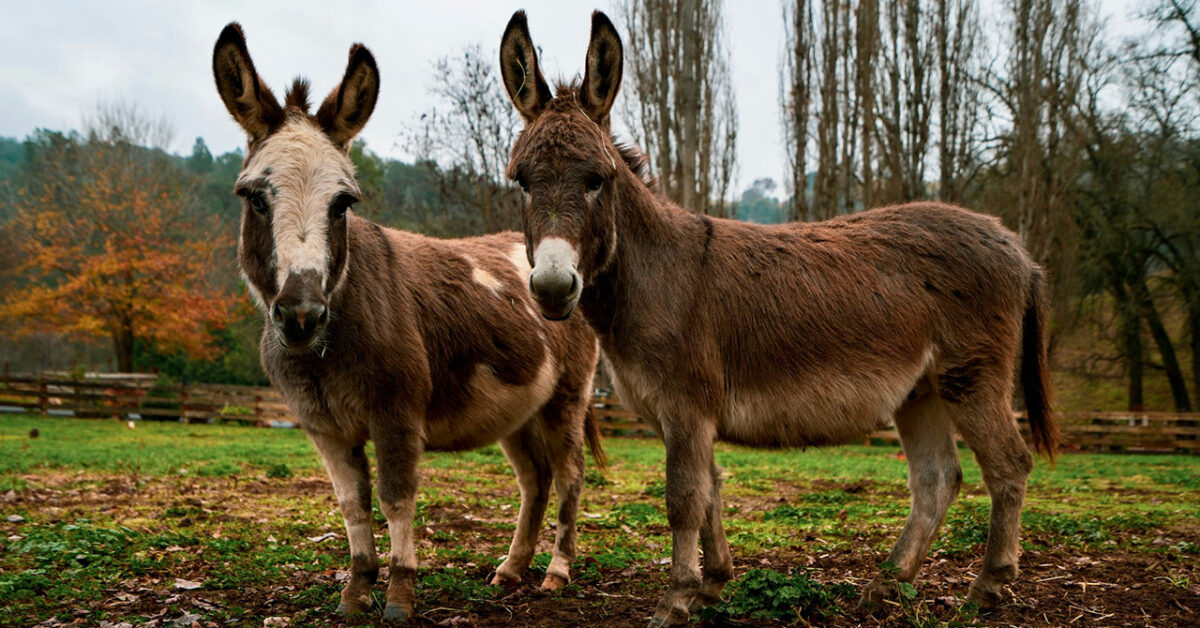
It is no surprise that the people cut down palm leaves and waved them when Jesus rode into Jerusalem on a donkey, on the week of His Passion and Death on the cross. They cried out, “Hosanna!” which means “Save us!” They saw Him as a mighty leader who would bring about victory for the Jewish people, who were suffering under the oppression of Rome.
However, the victory they thought He would bring was not His plan. The warrior-Messiah they expected was arrested, condemned, and put to death in the most shameful way possible. It is very plausible that the majority of the crowd who shouted “Hosanna!” were also the ones who yelled “Crucify Him!” only five days later.
Indeed, Jesus was victorious beyond anyone’s imagination. By His Death He conquered the ultimate Enemy of evil. In the Book of Revelation, St. John sees a vision of “a great multitude” carrying palm branches and wearing “robes made white in the Blood of the Lamb” (Rev. 7:9). This is understood to be the martyrs’ shared victory in the Lord over temptation and death.
May we have hope in the Lord’s victory over sin and death.