The bell for the senior homeroom class is about to ring. Lanky boys slouch at their desks. Girls adjust their glasses then check their phones. I give a nod to the kid who works at Valley Feed Store. I return a smile from Elisa, an acolyte at the local parish.
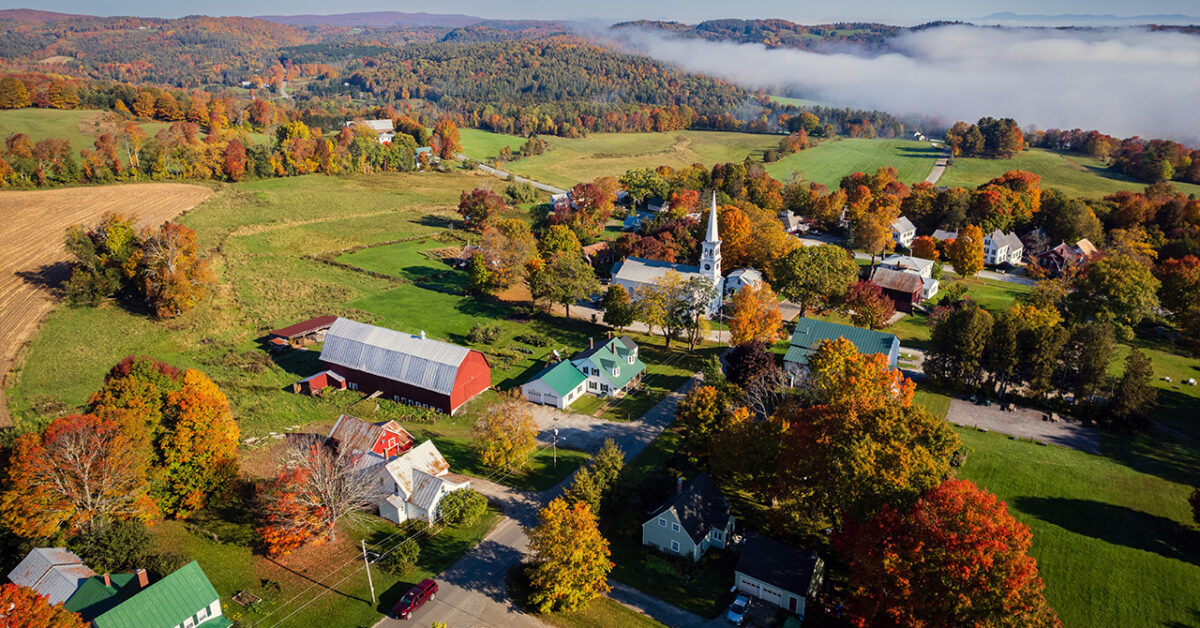
The total class numbers nineteen this year. The school serves two West Texas towns, Turkey and Quitaque, each with a population of around 300 residents.
I am a guest speaker. My purpose is to invite upcoming graduates to apply for a rural life grant. Unlike a college scholarship, the money from this grant may be used at a trade school or other job-related expenses such as the purchase of a uniform, toolbox or a new set of tires. The grant is donated by members of my family in memory of Aidan Pohl, a relative who was killed in an accident three years ago. Aidan would be graduating high school this year.
A student seated in the back row stares out the window. I arrange my notes on the podium and look out over the group. Their cultural make-up is Hispanic, Anglo and African-American. I don’t know all their names, but their faces are familiar. In recent years, I’ve worked alongside them at the Briscoe County Food Bank—twenty-five percent of our county lives below poverty. I’ve also joined them at community fund-raising events for a local family with a child suffering from cancer—Pray for Paxton signs are ubiquitous throughout the area.
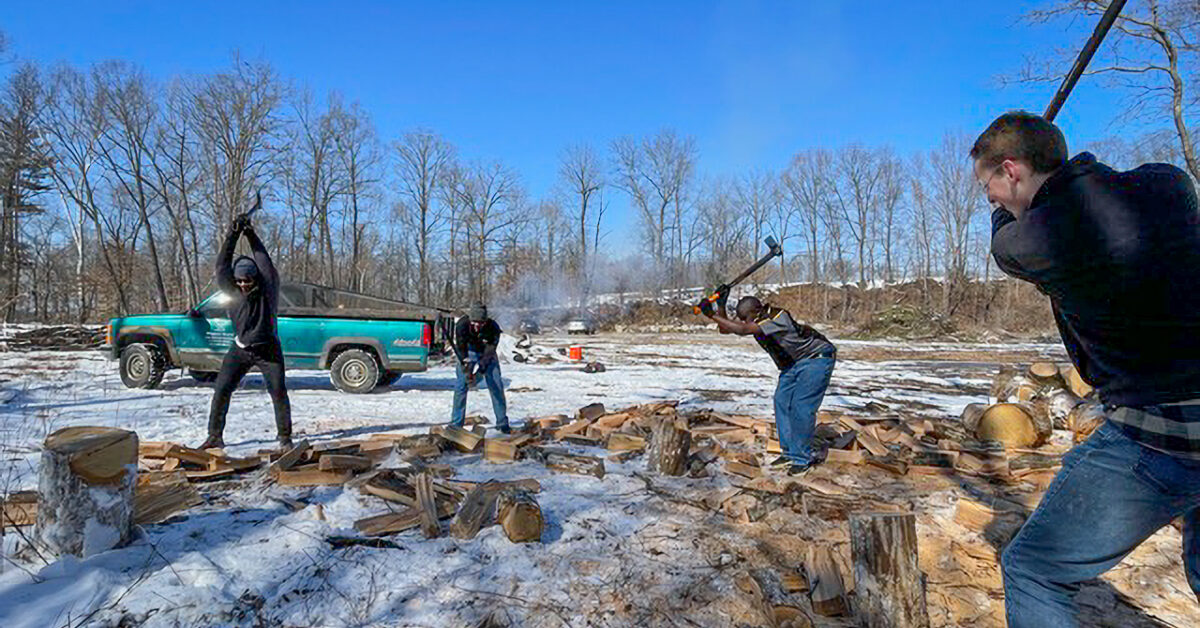
I might not know their names, but they feel like family. This is what happens in small towns where the main diversions are six-man football games and county stock shows. Like good neighbors, we wave when we pass each other on the road, these teenagers maneuvering huge cotton harvesters and towing trailers with horses saddled up to work cattle.
Given their physical labor and their active involvement in community life, I suspect that these seniors do not experience as high a rate of loneliness and despair as generally reported among the nation’s youth. Here in West Texas, towns might be small, but smiles are big.
The bell rings. I push my notes aside and open with a question: “How is Paxton doing?”
A girl in the second row leans forward. “He’s back in the hospital.” She glances at the boy seated next to her. “Jason’s folks visited him yesterday. They said his pain is back under control.”
Jason nods, then looks at the floor. The sympathy in the room is palpable.
The honor of living in a closeknit community like this is beyond my ability to articulate. In larger communities, young people often volunteer for service projects. Everyone admires their energy and positive spirit. In places like Turkey and Quitaque, however, service projects are more akin to a way of life.
***
The weekend following the presentation, I drive to Amarillo for a gathering of high school students discerning a religious vocation. During the meal, I ask one of the regular attendees—an avid mechanic—about his plans following graduation.
“I’m praying hard,” he replies. “I feel called to the priesthood but…” he pauses. “In my town we’re losing farmers, Fr. Jim. They can’t afford to repair their equipment anymore.” He takes a breath. “If I had my own shop, I could give them a break.” Then he looks me in the eye, quoting St. James: “What good is faith if folks don’t have food to eat?”
I think to myself, What a great kid! After a brief pause, I tell him, “Keep praying, Patrick. The Lord will show you the road to follow.”
He picks up his sandwich. I notice grease stains on his fingers. Privately, I hope that one day he’ll trade breaking bolts loose on an engine for breaking Bread on the altar of God.
***
Driving home from Amarillo, I pass an interstate exit for West Texas A&M University in Canyon, Texas, home to a newly formed chapter of Catholic Rural Life.
Fr. Alvin Tshuma serves as the chaplain.
“There is this wonderful sense of belonging here,” Fr. Alvin recently told me. “The students attend each other’s sporting events, art exhibits and musical performances.” He then explained that many of them hail from small towns and it is his contention that their upbringing communities contributes to their sociability.
“Lately they’ve been joining together on Wednesday nights to make rosaries. It was entirely their own idea,” he says with a smile. They plan to send the rosaries to parishes throughout the diocese as well as my home parish in Mozambique!”
“And last month,” he continues, “they delivered Easter baskets to residents of a nursing facility. A handwritten letter of love and encouragement was included in each basket.”
It is often the case that those who minister to Christ’s flock end up being “ministered to” in return. This is clearly the case for Fr. Alvin. It has also been my own experience throughout my forty-three years as a priest.
Like the miracle of the loaves and fish, sharing life’s basic provisions hand-to-hand never fails to foster faith and strengthen hope. This practice is woven into rural communities. The youth who live in such communities learn this virtue early and take it to heart. Their compassion is genuine, and their enthusiasm is contagious.
In rural areas, where outside resources are often lacking, the generous witness of our youth is a blessing beyond compare.
Yes, their towns may be small but, where charity and love prevail, hearts grow big.