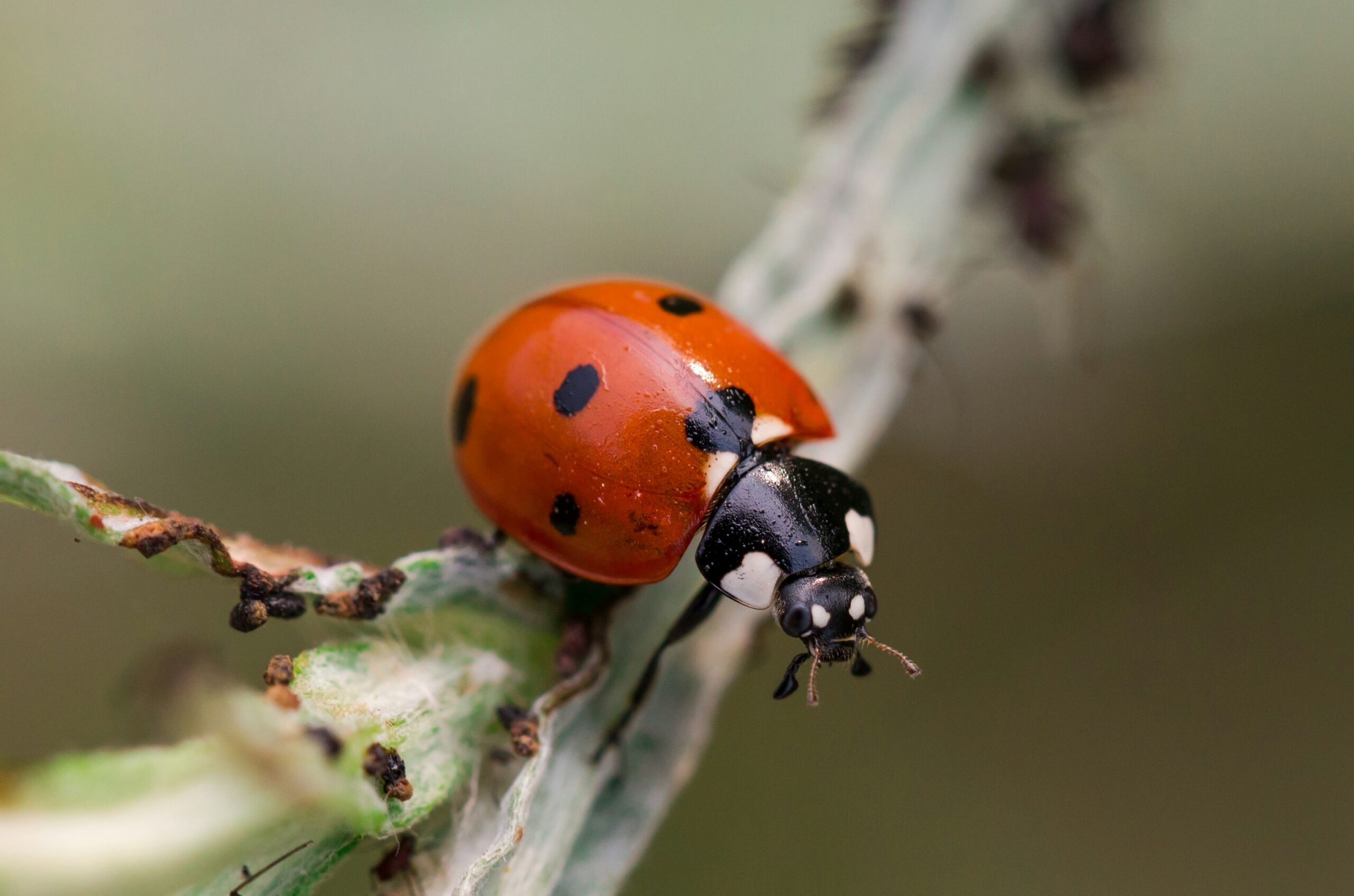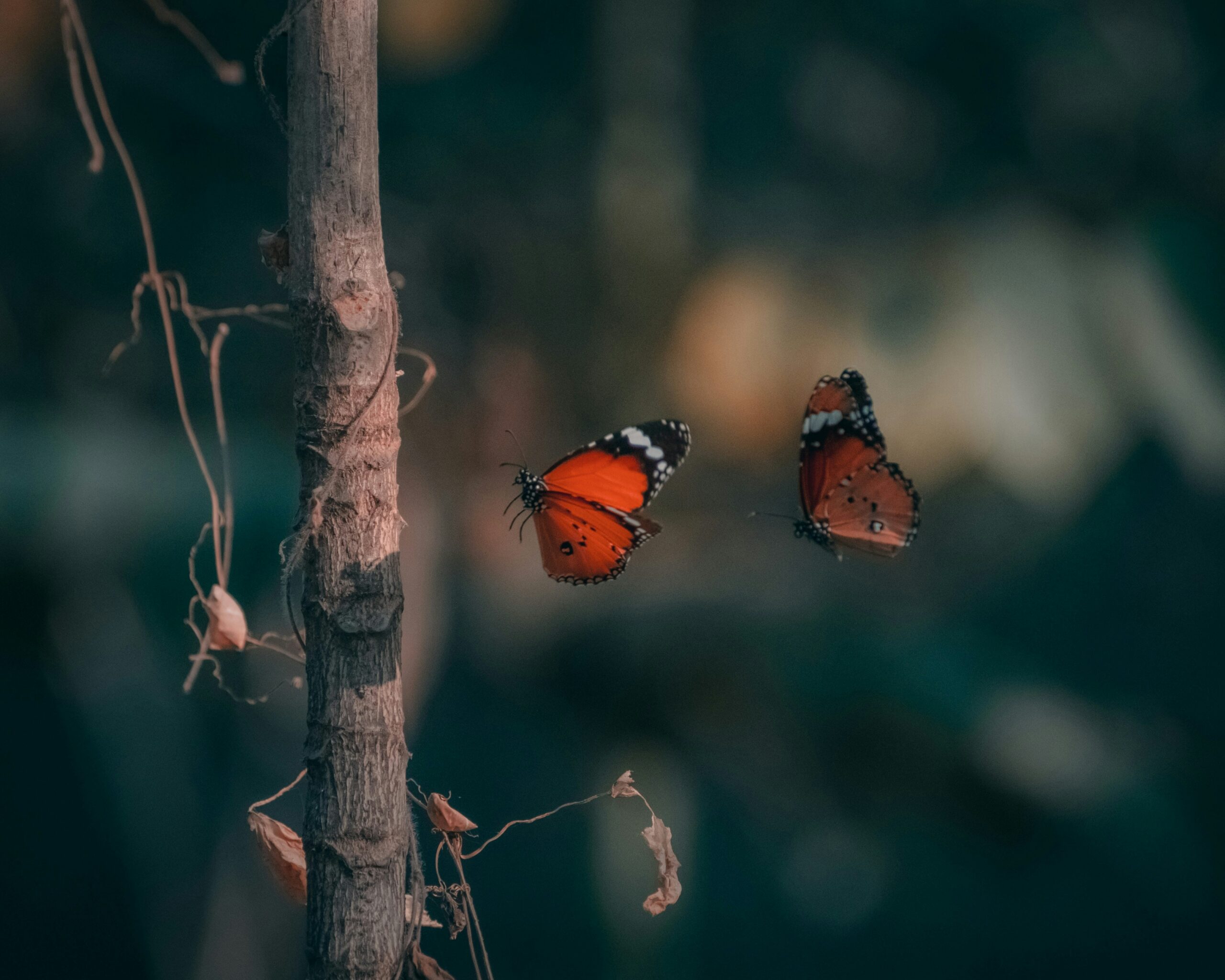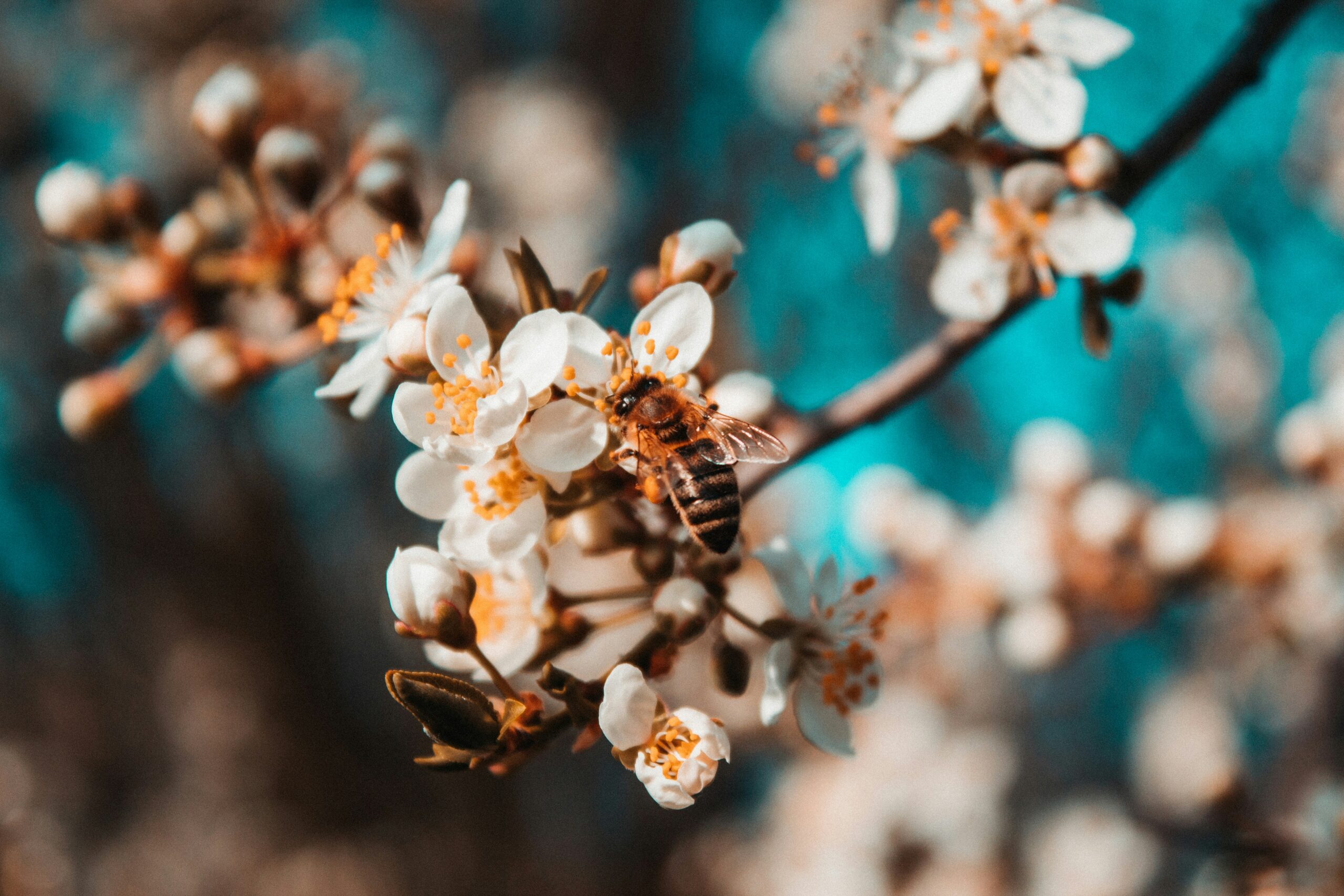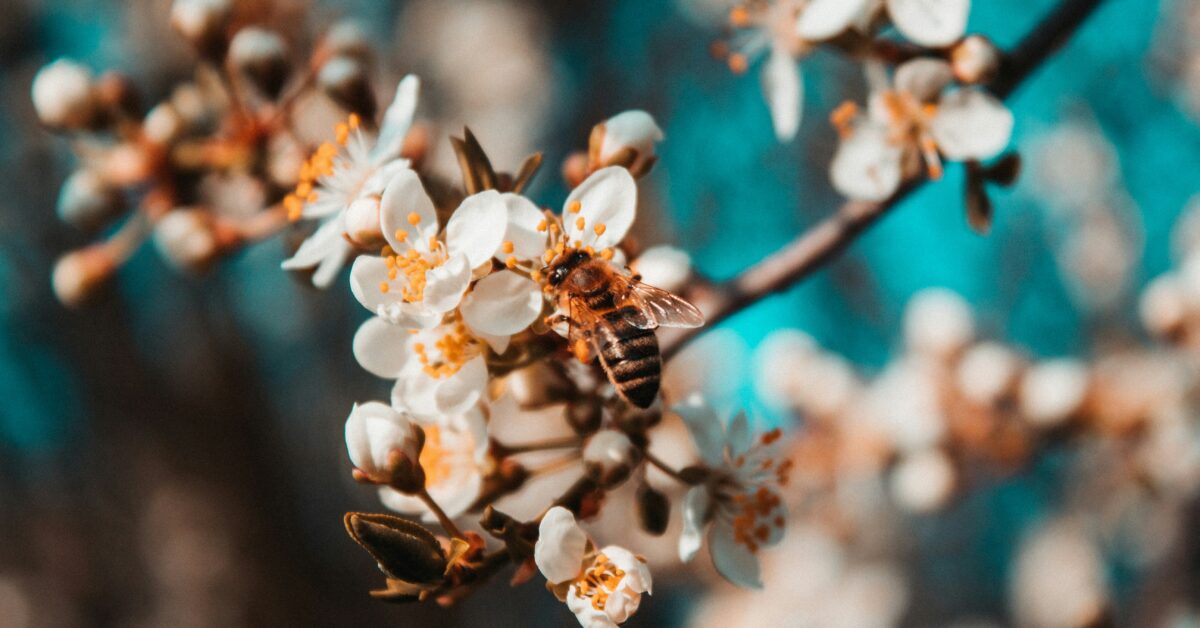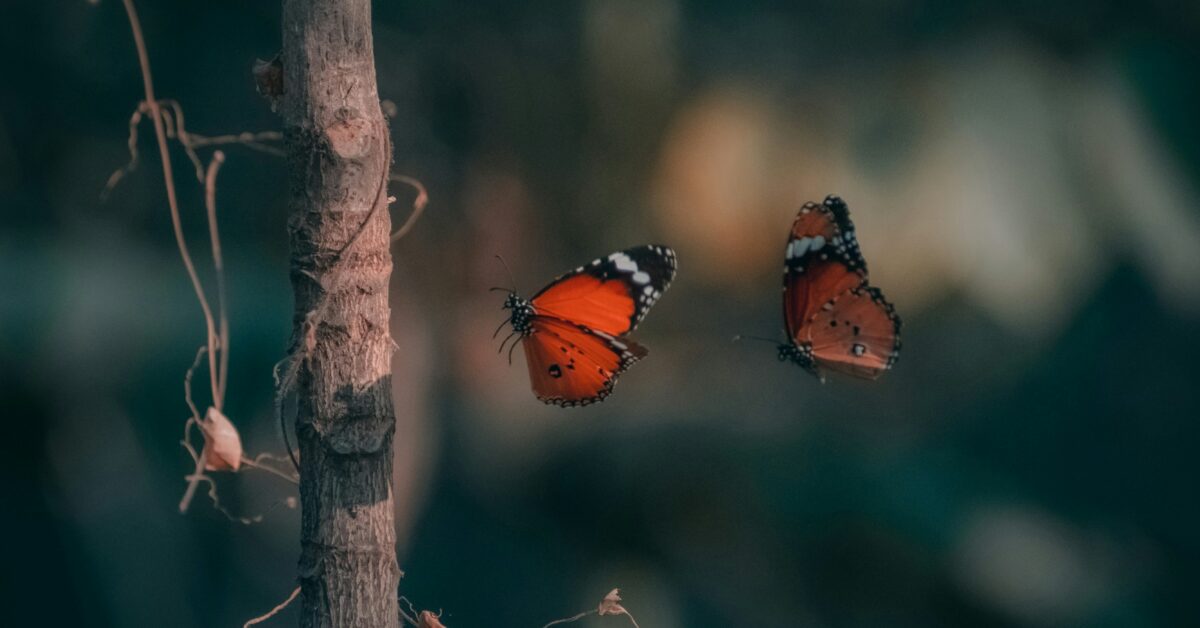
Butterfly farming is one of the rarer industries in the country, but it is indeed a very impactful one. Like bees, butterflies are pollinators–they find their food in flowering plants, and transport pollen from one plant to another, leading to growth of fruits, seeds, and other things that make up the foundation of our food. Sadly, the Monarch species is in decline due to the loss of plants such as milkweed. In the United States, a small but growing movement of farmers and ranchers seek to revive the Monarch population by using spaces such as agricultural landscape, grazing lands, field margins, and more to give them the nourishment they need (farmersformonarchs.org) .
These beautiful creatures hold a significant meaning in the life of the Church. Because of their life cycle, butterflies have represented the Resurrection of the Lord. According to the Academy of Natural Sciences of Drexel University, the butterfly undergoes a process called metamorphosis. They grow from egg to larva, at which point they are called a caterpillar. At this stage, the caterpillar eats. The caterpillar then becomes a pupa, during which it hangs from a branch, or is buried underneath leaves or soil.
In this stage, the pupa continues to develop which can take a few months. When it is fully mature, it breaks out of its cocoon–called a chrysalis–and is officially a butterfly!
This process of metamorphosis is not only an analogy for the Resurrection, but also for the journey of the spiritual life in general. We are created by God in His image and likeness, with an intellect and will to know and love Him as part of our human nature. When we continuously respond to the grace He gives to fulfill how He made us to be, it is similar to the larva in which the sole purpose is to consume nourishment. This is like the stage in the spiritual life when we feel the joy and consolations of being in relationship with God.
Then comes the part of the pupa: the caterpillar stops eating and hides away encased in a cocoon. This can be likened to a season of suffering or desolation of the soul: we can’t always feel or see clearly the goodness of God. But it doesn’t mean that He is absent. Rather, this stage is where He does His greatest work.
When we are faithful to Him during these seasons of suffering, He leads us to the Resurrection. We may undergo many metamorphoses in this life, but when we respond to His grace, we become more and more like Him.